Larnaca district museum: how objects became a public collection
Larnaca’s archaeological museum is more than a collection of attractive finds. Its own moves across the city explain how local archaeology became a public story, with the district’s early communities and later towns brought into one place.
A historical visitor guide based on the institutional sources linked below. Interpretation and practical reading notes by BEST.
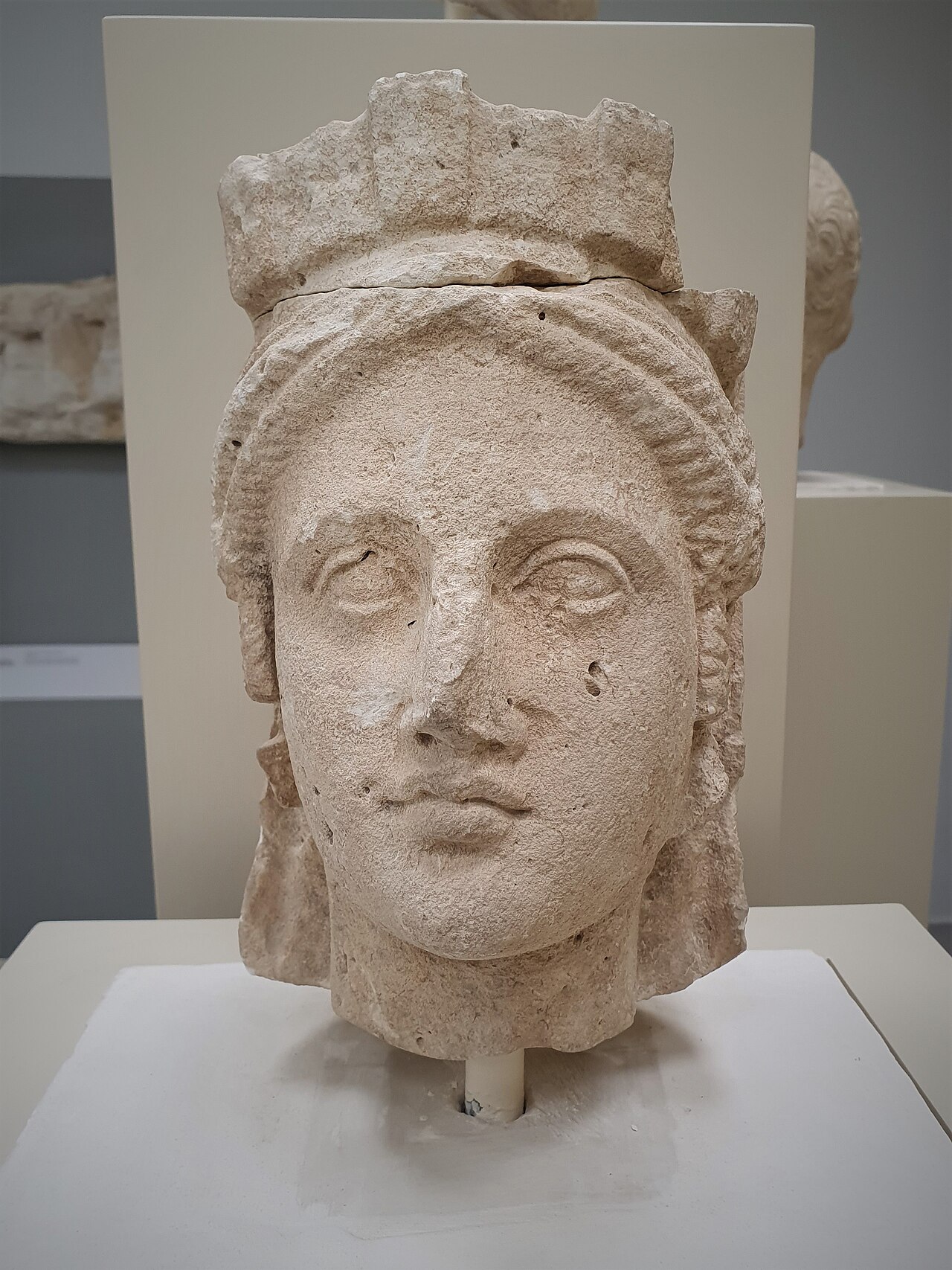
A collection with several homes
The Department of Antiquities traces the museum’s beginnings to a room at the church of Saint Lazarus. In 1948 the collection moved to Larnaca’s Ottoman castle. The present museum was established in 1969, and its exhibition was upgraded in 2022. These dates describe the institution and its presentation, rather than the age of the objects inside.
That distinction is useful when exploring the city. The church, castle and museum belong to different historical settings, yet all entered the story of collecting and displaying antiquities. An object’s place of discovery, its earlier museum home and its present display location can be three different places.
Begin with the district, not only the seafront
The museum covers Larnaca town and the surrounding district. Its first wing follows prehistory and protohistory, including the Pre-Pottery and Pottery Neolithic, the Early and Middle Bronze Age, and the Late Bronze Age. The official exhibition outline also includes the Chalcolithic. These are archaeological periods, not the names of a succession of modern towns.
A useful first pass is simply to follow the period labels. Ask what kind of evidence separates one section from the next, then look at the provenances of individual finds. A district collection brings together material from different communities; proximity in a showcase does not mean that two objects came from the same house or were used at the same time.
Place Kition within that longer sequence
The exhibition’s historical coverage includes Iron Age Kition, while the second wing presents the historic periods of the town and district. This helps put the archaeological sites within modern Larnaca into a wider sequence. Kition is central to the city’s history, but it is not a substitute name for every prehistoric settlement in the region.
For the visitor, the museum and the excavated sites answer complementary questions. A site helps explain the relationship between structures and their setting. A museum allows selected objects from different contexts to be considered together. Read the findspot and period on the label before carrying an object’s story back into a particular ruin.
Read an object in three steps
Start with what the label identifies: material, approximate date and place of discovery. Then separate that information from interpretation. A date range is different from a dated inscription; an attributed function is different from a surviving account of how somebody used the object. There is no need to make every find tell a complete biography.
Finally, consider why the object is shown beside its neighbours. An exhibition can organise material by chronology, place or theme. Its arrangement is a modern explanation of the past. Treat it as a helpful framework, while allowing individual finds to retain their different histories. These are reading suggestions, not claims about an undocumented excavation.
Use the museum as the beginning of a wider visit
The official listing places the museum at Plateia Kalograion and links a virtual tour through Larnaka Region. That offers a way to preview the museum’s setting before choosing how it fits into a day in the city. For the current entrance arrangements and services, consult the operator’s information rather than relying on a historical article.
Afterwards, choose a more detailed guide to Kition or the Bronze Age settlement near the Salt Lake according to the period that interested you. Keep their locations distinct. The value of this museum visit is the connecting framework: it makes separate places easier to understand without pretending that the whole district can be covered in a single walk.
Source and further reading
Source reviewed 15 October 2026. Institutional records and collections are distinguished from visitor interpretation.
Peoples, communities and working life · Explore local history · All articles